When you think of a baby gift basket, you probably picture soft blankets, cute onesies, and maybe a stuffed animal or two. But behind those adorable items lies a set of rules and regulations designed to keep the tiniest of humans safe. If you’ve ever wondered what are the safety standards for baby gift basket items? you’re in the right place. This article will walk you through the key standards, how to spot them, and how to assemble a basket that’s both charming and compliant.
Understanding the Basics of Baby Safety Standards
Key Regulatory Bodies
In the United States, the Consumer Product Safety Commission (CPSC) is the watchdog that sets safety guidelines for baby products. The CPSC’s Consumer Product Safety Improvement Act mandates strict testing for lead, phthalates, and other hazardous substances. In Europe, the European Union’s Regulation (EU) 2016/425 on safety of toys and Regulation (EU) 2016/1107 on infant formula and baby food are the primary authorities.
Common Safety Labels and Certifications
When shopping for baby items, keep an eye out for:
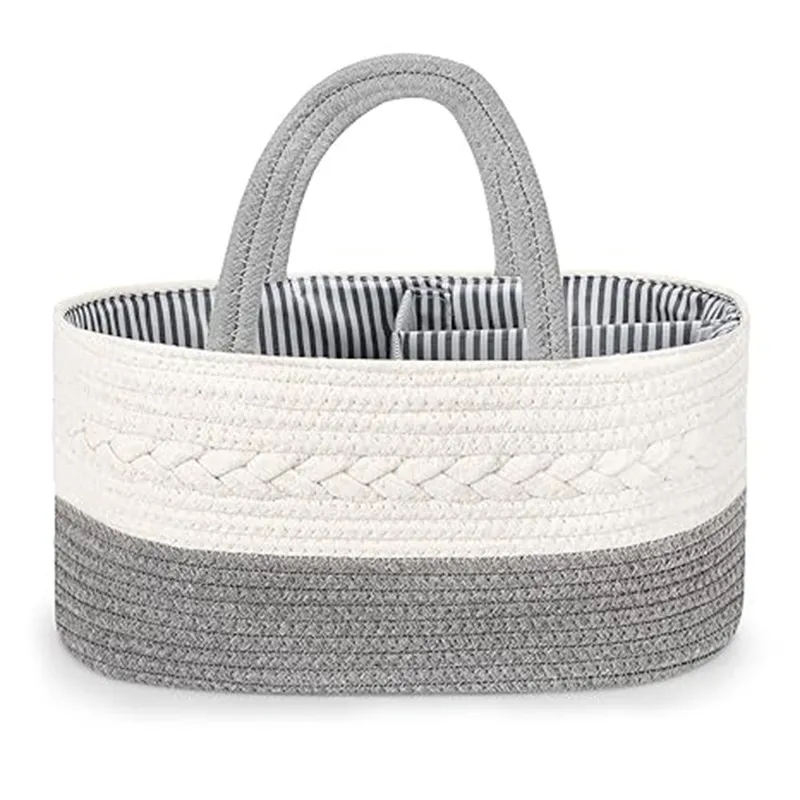
- ASTM International certification – indicates that a product meets rigorous safety standards. CE Marking – shows compliance with EU safety, health, and environmental protection requirements. EN71 – the European standard for toy safety, covering flammability, mechanical, and chemical hazards. CPSC Safe to Play logo – confirms that the product has passed U.S. safety tests.
These labels act like a passport for baby products, proving they’ve passed the necessary hurdles before reaching your hands.
Common Items in Baby Gift Baskets and Their Safety Requirements
Clothing and Footwear
Even the softest onesie can hide hidden Diaper hampers dangers. Look for:
- Non-toxic dyes – dyes should be free from lead, mercury, and cadmium. Secure stitching – loose threads can become choking hazards. Low-lint fabrics – reduces the risk of lint build‑up in the baby’s nose and ears.
Toys and Playthings
Toys are the heart of any gift basket, but they’re also the most regulated. Safety standards for toys cover:
- Small parts – toys for infants must be large enough that a child cannot swallow or choke on them. Flammability – toys must meet EN71 flammability tests, ensuring they don’t catch fire easily. Chemical safety – toys should be free from phthalates, BPA, and other harmful chemicals.
Feeding Essentials
From bottles to bibs, feeding items must also meet strict guidelines:
- Lead-free – especially important for bottles and teething rings. Food-grade materials – such as silicone or BPA-free plastic. Non-slip – for items like baby spoons and feeding mats to prevent accidental spills.
Nursery Accessories
Blankets, swaddles, and crib sheets should be:
- Hypoallergenic – to reduce the risk of allergic reactions. Flame-retardant – many countries require crib bedding to meet EN71 flammability standards. Durable stitching – to withstand frequent washing without fraying.
How to Verify Safety Before Adding Items
Reading Labels and Certificates
When you pick up a product, don’t just glance at the front. Check the back or side for:
- Material composition – lists of plastics, dyes, and other components. Certification logos – as mentioned earlier, these logos are a quick visual cue. Manufacturer’s contact information – handy if you need to verify claims.
Checking for Recalls
Even a certified product can be recalled. A quick online search using the product’s name and “recall” can save you from a future nightmare. The CPSC’s recall database and the EU’s RAPEX system are reliable sources.
Testing for Toxicity and Small Parts
If you’re assembling a basket from scratch, consider a simple test:
- The small parts test – place the item on a flat surface and see if a 1.5‑inch circle can fit around it. If it can, it’s too small for infants. Toxicity test – look for “BPA-free,” “phthalate-free,” and “lead-free” tags. If they’re missing, do a quick Google search to see if the brand has faced any complaints.
Tips for Curating a Safe and Thoughtful Baby Gift Basket
- Mix and match – combine items that serve different purposes: a plush toy, a feeding set, and a soft blanket. Add a personal touch – a handwritten note or a custom label can make the basket feel special. Keep it balanced – avoid overcrowding. A cluttered basket can be as confusing as a maze for the baby’s parents. Prioritize quality over quantity – a single high‑quality item can outweigh a dozen mediocre ones. Check the age recommendation – always match items to the baby’s age group.
The Perfect Gift Awaits
Imagine opening a basket that feels like a warm hug and also feels like a fortress of safety. That’s the goal: a gift that protects as well as pleases. As Dr. Seuss once quipped, “A person’s a person, no matter how small.” When you give a baby a gift, you’re giving them a small person’s comfort, wrapped in safety.
So next time you’re selecting items for a baby gift basket, remember the question: what are the safety standards for baby gift basket items? By keeping those standards in mind, you’ll ensure that every item in your basket not only delights but also safeguards the newest family member. Happy gifting, and may your basket be a shining example of care, compliance, and a touch of whimsy.