When you’re sending a Brisbane gift hamper to a loved one, the journey from your kitchen to their doorstep can feel like a high‑stakes game of Jenga. One wrong move and the whole tower comes tumbling down. In this guide, we’ll walk you through the best practices for keeping your hamper intact, so the recipient gets the same joy you intended.
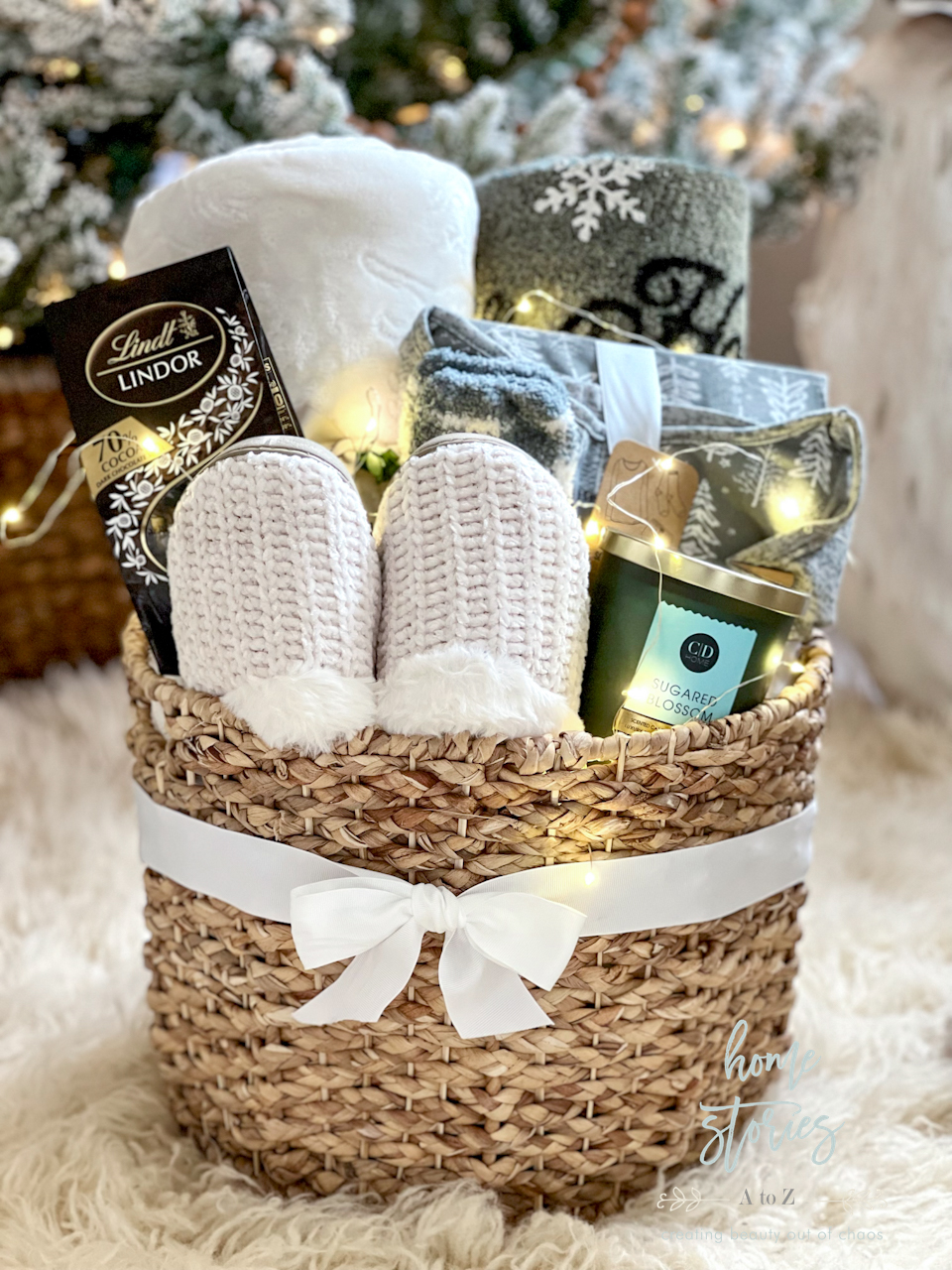
The Anatomy of a Gift Hamper
Before you start packing, it helps to know what you’re dealing with. A typical Brisbane gift hamper contains:
- Perishable items such as fresh fruit, artisanal cheeses, or bakery goods Fragile or delicate items like crystal glasses, porcelain figurines, or glass jars Bulkier, heavier items such as gift cards, chocolates, or bulk nuts
Each category behaves differently under pressure. Understanding their unique vulnerabilities is the first step toward a safe delivery.
Choosing the Right Box: Size Matters
A box that’s too big lets items shift around, while a box that’s too small squeezes them together. Think of it as fitting a violin into a shoebox—obviously not a good idea.
Tips for Selecting the Perfect Box
- Measure your hamper: length, width, and height. Add a 2‑inch buffer on all sides to allow cushioning. Opt for a double‑walled corrugated box if the hamper contains heavy or fragile goods. Avoid recycled boxes that have already been opened; the seams may be weakened.
Packing Materials: The Unsung Heroes
You’re not just stuffing items into a box; you’re creating a protective cocoon. The right materials can turn a fragile hamper into a fortress.
Essential Packing Supplies
- Bubble wrap – for individual items or to wrap the entire hamper. Packing peanuts – great for filling voids. Air pillows – lightweight and effective. Paper towels or newspaper – for extra cushioning. Packing tape – high‑strength, double‑layered. Labeling tape – to mark “Fragile” and “This Side Up.”
Step‑by‑Step Packing Process
Let’s break down the packing process into manageable steps, ensuring each item receives the care it deserves.
1. Layer the Bottom
Start with a solid foundation. Place a layer of packing peanuts or shredded paper at the bottom of the box. This layer should be at least 2 inches thick.
2. Wrap Individual Items
Wrap each item in bubble wrap, securing it with tape. For fragile glassware, double‑wrap and add a layer of paper towels inside the bubble wrap for extra protection.
3. Arrange Heaviest Items First
Place the heaviest items on the bottom of the box, directly on the cushioning layer. This prevents lighter items from crushing them during transit.
4. Fill Gaps Immediately
As you stack items, fill any gaps with https://chancewxhw801.fotosdefrases.com/what-are-the-best-brisbane-gift-hampers-for-a-team-building-event packing peanuts or air pillows. The goal is to eliminate empty space that could allow items to shift.
5. Seal the Box
Close the box and apply a generous amount of packing tape along all seams. Use at least three strips of tape on each seam for maximum strength.
6. Label Clearly
Use a marker to write “Fragile” and “This Side Up” on the box. If you’re using a shipping label, place it on the topmost side of the box.
Shipping Options: Choosing the Right Service
The carrier you select can influence the outcome just as much as how you pack. Here’s what to consider.

Speed vs. Cost
- Express delivery (e.g., courier services) often handle packages with more care and faster turnaround. Standard postal services may be cheaper but can expose the hamper to longer transit times and rough handling.
Insurance
If the hamper contains high‑value items, purchasing insurance is a smart move. It provides peace of mind and covers you against loss or damage.
Tracking
Always opt for a service that offers tracking. Knowing the package’s location lets you anticipate potential delays and keep the recipient informed.
Common Mistakes to Avoid
Even seasoned packers slip up sometimes. Avoid these pitfalls to keep your hamper safe.
- Overpacking – Stuffing the box to the brim eliminates cushioning. Under‑cushioning – Skipping layers of peanuts or bubble wrap makes items vulnerable. Ignoring weight distribution – Placing heavy items on top of light ones can crush the latter. Neglecting labeling – Without clear labels, handlers may mishandle the package.
Anecdote: The “Crushed Cake” Lesson
Last year, I sent a Brisbane gift hamper to a friend in Melbourne. It included a delicate cake tin, a set of crystal wine glasses, and a jar of homemade jam. I wrapped the tin in bubble wrap, but I forgot to secure the glasses with paper towels inside the bubble. When the hamper arrived, the glasses were shattered, and the cake tin was dented. My friend laughed, but I learned that a small oversight can turn a beautiful hamper into a disaster. Since then, I’ve never skipped the paper towel layer.
A Wise Quote
> “The best way to keep something safe is to protect it from https://pastelink.net/8re7x3iy the start.” – Unknown
This quote reminds us that the foundation of safe shipping lies in meticulous preparation.
Rhetorical Questions to Ponder
- Have you ever wondered why a flimsy box can ruin an otherwise perfect hamper? What would happen if you left out the final layer of cushioning? Could a single mislabel change the fate of your carefully packed gift?
These questions highlight the importance of each step in the packing process.
Final Thoughts: The Perfect Gift Awaits
By treating your Brisbane gift hamper like a fragile snowflake—handled with care, wrapped in love, and protected by sturdy packaging—you give your recipient a gift that arrives in pristine condition. Remember the key steps: choose the right box, use quality packing materials, follow a systematic packing process, and select a reliable shipping service. With these practices, you’ll avoid damage during shipping and ensure your thoughtful gesture is received exactly as intended.
Ready to send a flawless hamper? Grab your packing supplies, follow the steps above, and watch as your gift travels safely from your kitchen to your loved one’s doorstep.